
Museums at Innherred
Be amazed, enchanted and inspired by one or more museum visits in Innherred! We give you the overview here.
Falstadsenteret på Ekne i Levanger. Foto: Christian Trustrup
Year-round open museums
Foto: Espen Storhaug
Stiklestad National Cultural Centre
Nestled in the heart of Verdal, Stiklestad National Cultural Centre is a place where history comes to life. We have a special role in sharing the remarkable story of Olav Haraldsson—later known as Saint Olav. The Battle of Stiklestad in 1030 was a turning point in Norwegian history, shaping society in ways that are still felt today. Each year, during Olsok, we proudly host The Saint Olav Drama, bringing this dramatic chapter of the past to the stage.
But there’s even more to discover at Stiklestad. Our museum area is home to 30 beautifully preserved historic buildings, offering a glimpse into life in Norway’s farming communities during the 18th and 19th centuries. Step back in time and experience the traditions, stories, and heritage that have shaped this land for generations.
The Falstad Centre
Tucked away in the quiet surroundings of Ekne in Levanger, the Falstad Centre is a place of deep reflection and remembrance. Housed in the main building of what was once the German prison camp SS Strafgefangenlager Falstad, it stands as a powerful reminder of Norway’s wartime history. Between 1941 and 1945, around 4,500 prisoners from 16 different countries were held here, most of them for their political beliefs. As Norway’s second-largest prison camp during World War II, Falstad bore witness to untold suffering—but today, it serves a different purpose.
Now a memorial site and a centre for human rights, the Falstad Centre invites visitors to explore history, reflect on its lessons, and engage in important conversations about democracy, freedom, and dignity for all.
Foto: Christian Trustrup
Foto: M Rua
Saemien Sijte – South Sámi Museum and Cultural Centre
Nestled in the heart of the South Sámi area,Saemien Sijte in Snåsa is a vibrant museum and cultural centre dedicated to sharing the rich heritage of the South Sámi people. Here, the past and present come together, offering visitors a deeper understanding of South Sámi culture, history, and traditions.
More than just a museum, Saemien Sijte is a hub for research, cultural preservation, and community engagement. It’s a welcoming meeting place, hosting a variety of activities and events throughout the year. And if you’re looking for a special keepsake, our museum shop offers a wonderful selection of Sámi literature, music, crafts, and more.
Come and explore the stories, knowledge, and traditions that make the South Sámi culture so unique.
Nils Aas Art Workshop
Located in the charming town of Inderøy,Nils Aas Art Workshop is a museum dedicated to the life and work of sculptor Nils Aas. Born in Inderøy, Aas left a lasting legacy in Norwegian art, and this gallery—just a stone’s throw from his childhood home in Straumen—celebrates both his work and contemporary artistic expression through a dynamic programme of exhibitions.
More than just a gallery, Nils Aas Art Workshop is a creative space, featuring an art shop and a workshop where visitors can engage with art in new ways. At the heart of the building stands Bauta, a striking piece by Nils Aas, unveiled when the workshop first opened its doors in 1996. The museum is also home to two significant collections, Gaven and Arven, generously donated by the artist himself.
Whether you’re an art enthusiast or simply curious, Nils AasArt Workshop offers a unique and inspiring experience in the world of Norwegian sculpture and creativity.
Foto: M Rua
Foto: Lena Johnsen
Egge Museum
Step back in time at Egge Museum in Steinkjer, where history comes to life in a beautifully preserved 19th-century farmstead. With its traditional buildings and authentic furnishings, this classic Trøndelag farm offers a glimpse into rural life as it once was. But Egge’s story stretches back even further—this was once the seat of a powerful chieftain in the Middle Ages, and the landscape still bears traces of the past, with burial mounds from the Iron Age and Viking Age waiting to be explored.
Egge Museum is a fantastic place for families, especially in the summer when the farm comes alive with animals. It also houses the largest collection of agricultural equipment north of Dovre. Inside the exhibition hall, a recreated village street from old Steinkjer invites visitors to step into historic shops and workshops—perhaps you’ll fancy a sweet treat from the traditional shopkeeper!
Egge Museum also has a dedicated exhibition space at the new Steinkjer Cultural Centre—HEIM—where even more stories of the past are brought to life.
Come and experience history in a hands-on and welcoming way at Egge Museum!
Levanger Photo Museum
Levanger photo museum is a treasure trove of photographic history, home to one of the largest photo collections in the county. With over half a million negatives from both professional and amateur photographers, along with thousands of objects related to photography, the museum offers a fascinating glimpse into the evolution of the craft.
At the heart of the museum is the Renbjør Room, a permanent exhibition dedicated to chemist Harald Renbjør, a true pioneer in the development of colour photography. In addition, the museum hosts a variety of changing exhibitions, ensuring there’s always something new to discover.
Whether you’re a photography enthusiast or simply curious about the past, Levanger Photo Museum invites you to explore the magic of captured moments through time.
Foto: Explorative AS
Seasonally open museums
Foto: Fritz Nordberg
Ytterøy Bygetun
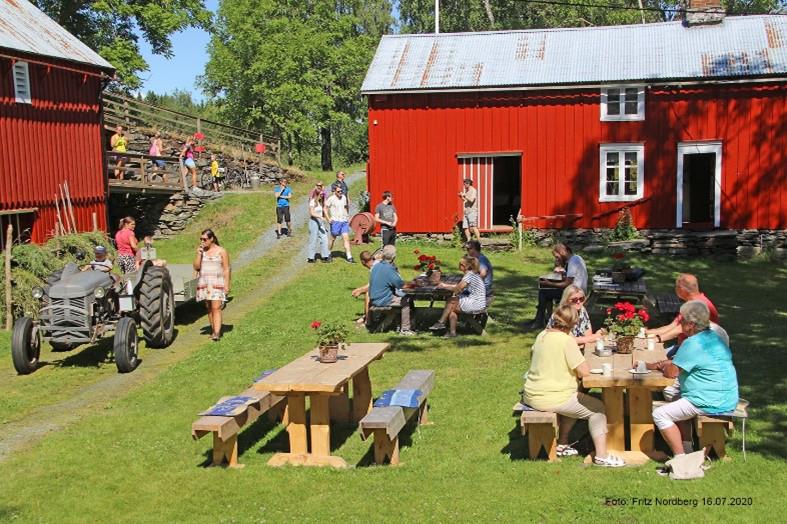
Nestled on the picturesque island of Ytterøy, just off the coast of Levanger, Ytterøy Bygdetun is a charming glimpse into Norway’s rural past. The historic farm Øvre Bjørvik, dating back to the late 19th century, is a beautifully preserved Trøndelag square farmhouse—remarkable for having remained unchanged since 1950.
In July, the farm comes to life with open living yards, offering visitors the chance to step back in time and experience traditional farm life. Throughout the year, Ytterøy Bygdetun hosts a variety of events, including the much-loved Jul i Tunet Christmas market. Keep an eye on their Facebook page for the latest updates!
The Ytterøy Bygdetun Foundation also looks after two other historic sites: Jørstadsjøen Dampskibskai and Berghaugen, each with its own unique story to tell.
Come and experience the history, charm, and traditions of Ytterøy!
Read more about Ytterøy Bygdetun here
Ytterøy Bygdetun
Ytterøy Bygdetun is a beautifully preserved farm complex from the early 1900s, showcasing a classic Trøndelag square yard.
With its welcoming atmosphere, historic buildings, and carefully curated artefacts, the farmstead offers visitors a unique glimpse into rural life from days gone by.
Step into History – Open Living Yard in Summer
During the summer months, Ytterøy Bygdetun comes to life with guided tours led by friendly hosts who share stories of farm life, old traditions, and local history. Wander through the charming exhibitions, visit the farm animals, and take a well-earned break in the cosy barn café, where food and drinks are available.
Opening Hours in July: Thursday to Sunday, 12:00 – 16:00
Getting Here
Ytterøy is just a short ferry ride from Levanger city centre, and the farm is located 8 km from the ferry terminal. Check ferry times here
Whether you’re exploring the island or simply looking for a delightful stop along the way, Ytterøy Bygdetun is the perfect place to pause, learn, and enjoy. Treat yourself to a cup of coffee and fresh waffles while soaking in the tranquil surroundings. Various animals will be on the farm throughout the summer, with the official animal release happening on Thursday 6 July—though some may already be settling in from 1 July.
Activity Thursdays in July
Every Thursday in July, we host special themed activity days with fun and engaging events for all ages! Keep an eye out for posters around the island and updates on Facebook and ytterøy.no for more details.
Come and experience the charm, history, and warm hospitality of Ytterøy Bygdetun!
Read more about Jørstadsjøen Dampskibskai here
Jørstadsjøen Dampskibskai is a rare gem—a beautifully preserved steamship pier on the Trondheim Fjord. Built in 1930, it once served as a vital port of call for the regular boats that travelled these waters, connecting communities along the fjord.
Today, it stands as one of the best-preserved steamship quays in the region, offering visitors a fascinating glimpse into Norway’s maritime past. The pier is open to all, and information boards have been placed around the site to share its rich history.
Take a stroll along the quay, soak in the scenic views, and step back in time to an era when the fjord was a bustling highway of steamships and routing boats.
Read more bout Berghaugen here- History of the copper mines on Ytterøy
Berghaugen – A rich tale of copper mining
Step into 5,000 years of history on Ytterøya, where the island’s proud mining heritage comes to life at Berghaugen—just a short stroll from the Hokstad ferry landing. Here, you can explore the fascinating story of sulphur and copper-pyrite mining, which began as far back as 1630.
The mining history around Berghaugen near Hokstad is both rich and poignant. In 1995, the Foundation placed a memorial near the ferry landing to honour the lives lost in the tragic landslide of April 1870, which took seven children and adults. Today, as you wander along the path through the old mining area, you’ll find informative boards and displays sharing tales of the past.
Norway’s Oldest Mining Operations
Copper mining on Ytterøy stretches all the way back to the early 16th century, making these mines the oldest in the country. The copper and cupro-pyrite mines operated on and off until 1861, with pyrite—a valuable mineral—being shipped in great quantities to England. At its peak in 1867, an impressive 455 men worked here, producing a staggering 20-30% of the world’s pyrite!
Though mining ended just before the First World War (in 1912), the landscape still bears striking reminders of this bustling industry—from old furnaces and settling tanks to mine entrances. Even the lime quarries remained active until around 1970.
Come and discover Berghaugen’s remarkable past—where history is etched into the very rocks around you.
The “Landhandelmuseum” at Venneshamn
Step back in time at Venneshamn—a charming historic trading post nestled in the natural harbour of Skarnsundet, Inderøy. For 120 remarkable years, this was the heart of local commerce before closing its doors in 2008. Today, the lovingly restored old shop welcomes visitors as a cosy café and intimate concert venue on select summer weekends.
Don’t miss their delightful food concept, “Fresh Bread & Mature Cheese”—a delicious pairing served with captivating storytelling in the atmospheric old cheese cellar. It’s a highlight during events like Framverrandåggån and other seasonal gatherings.
Come soak up the nostalgia, enjoy homemade treats, and experience a slice of Norwegian coastal history!
Discover Kalsen - The Country Store Museum in Venneshamn
Step Back in Time at The General Store Museum in Venneshamn
Nestled in the heart of Venneshamn, “Landhandelmuseet i Venneshamn” the Village Store Museum is a charming tribute to the Ernst Kalsen company (1888 – 2008) and the historic Nerstu building. Asbjørn Kalsen, the great-grandson of Ernst Kalsen, has lovingly restored the building where the general store once thrived for almost ninety years. He’s also recreated a nearly authentic shop that takes you right back to the days when shopping was done over a counter.
Here in Venneshamn, you’ll be transported to a simpler time, when the local storekeeper didn’t just sell goods but also served as a community hub. It’s a delightful chance to relive fond memories and reconnect with a past long gone. You can also enjoy a cup of coffee and a bite to eat in a wonderfully unique setting.
A Stunning View of the Fjord
The museum is set against the stunning backdrop of Skarnsundet, a picturesque natural harbour once central to 19th-century yacht traffic and steamship routes through the Trondheimsfjord. This breathtaking landscape adds an extra layer to the rich history that comes to life at the Landhandelmuseet.
Summer at the Museum
In the summer, the museum opens its doors on selected Sundays, offering coffee, juice, homemade Kalsen biscuits, and cakes. The museum also hosts concerts with a pub atmosphere, serving local food made with fresh bread and mature cheese, particularly during the Trøndersk Matfestival. It’s a wonderful way to experience authentic Trøndersk food culture in a truly special setting.
The Landhandelmuseet is more than just a place to remember the past; it’s where history comes alive in an authentic and welcoming atmosphere, creating new memories while celebrating the old.
Stay up-to-date with the museum’s opening hours by following their Facebook page. Look out for a sign at Allmannavegen when the museum is open.
Foto: Explorative AS
Foto: Explorative
Mosvik Museum and History Society
Located in the historic Grande School, Mosvik Museum showcases a fascinating collection of old agricultural tools and implements from the village. The museum is open on Saturdays throughout the summer season, or by appointment for those wishing to visit at other times.
The museum has also developed and marked two cultural heritage trails for visitors to explore:
- The Mosvik Cultural Heritage Trail features 34 informative signs that guide you through the museum area and the heart of the village, sharing stories about important buildings and other cultural landmarks.
- The Selsetvika-Venneshamn Cultural Heritage Trail officially opened on 11 June 2024, with 24 out of the planned 32 signs already in place. The full trail, with all signs, will be completed by summer 2025.
These trails offer a wonderful way to immerse yourself in the rich history of Mosvik and its surrounding areas.
Read more about Mosvik museum here
Welcome to **Mosvik Museum**—a cosy, volunteer-run village museum that’s open during the summer months and by special arrangement. Nestled just off the main road, it’s the perfect spot to begin your explorations of picturesque Mosvik, with its charming cultural landscape and lovely woodland walks in the surrounding hills.
Here at the Mosvik Museum and History Society, our motto is: “We keep the past alive because we adore our village.”
We’re passionate about preserving and sharing our local heritage. From fascinating exhibitions and self-guided heritage trails to marked points of interest, evening talks, a treasure trove of historic photos, and even our own local book publications—there’s plenty to discover.
Through projects and events, we’ve created a lively little hub where stories of old traditions, crafts, and village life are passed down to new generations.
What’s On at the Museum?
Each summer, we host a special themed exhibition. Here’s what’s coming up:
– 2024:”A Century of Sports”
– 2025:”Nervika – From Farmstead to Sawmill & Industry”
– 2026:”Hunting & Fishing in Our Village”
Step Inside the Grande School (1886)
Our main building is the old Grande School, dating back to 1866. Upstairs, you’ll find a wonderfully preserved 1950s classroom, where we screen “School Memories”—a film featuring interviews with locals about their schooldays.
The building also houses a 1950s teacher’s family living room, a rather impressive stuffed bear, and several other small displays.
Just next door is the blacksmith’s forge, home to a collection of tools once used by village smith Ole Gjerde.
Nesstu Homestead
This traditional homestead is currently being lovingly restored. It showcases the classic local style, with the main house and outbuildings under one roof, furnished just as it would have been from the 1930s to the 1960s.
Kaldalstua Activity House
Once a forester’s home, this cosy little building now serves as a meeting place and the home of Krambua—a delightful craft shop.
Nearby Gems
– Survikjekta Theatre Boat – Enjoy performances about Martin Kvennavika, a legendary local figure.
– Mosvik Stadium & the Mossa River – Perfect for a scenic stroll.
– Mosvikstranda – A lovely spot for a refreshing dip.
– Local shops & seasonal cafés – Just a short wander away.
We can’t wait to welcome you for a taste of Mosvik’s rich history and warm community spirit!
Kvest'n Museum | Ytterøy
Nestled in the old vicarage, Kvest’n Museum is a fascinating journey through the history of Ytterøy. The museum explores a variety of topics, including the island’s mining heritage – home to Norway’s largest workplace in 1867 – the story of the legendary Henrik Brustad, the impact of the Second World War (1940-45), the history of the vicarage itself, and much more.
Open during the summer season, it’s a perfect place to discover the rich history that has shaped this unique island.
The City Museum in Levanger
The City Museum in Levanger is home to six charming historical buildings, mainly from the 1800s and 1900s, all set up for visitors to explore. These include:
- Brusve Gård
- Emilie’s Hus
- Dampskipsbrygga
- Skolemuseet
- Hveding Auto
- Reinslyst
Each house offers a unique glimpse into the past, providing a wonderful opportunity to step back in time and experience Levanger’s rich history.
Inderøy Museum and History Society
Inderøy Bygdemuseum opens its doors in the summer, offering a fascinating look into local history. As part of the museum, the Fjord- og Jektnemda also operates Jekta Pauline, a historic boat with its home harbour at Kjerknesvågen. Throughout the summer season, Jekta Pauline takes passengers on scenic fjord trips on select Sundays, providing a lovely way to experience the natural beauty of the area.
Nordenget Farm Museum
Located in Markabygda, Levanger, Nordenget Gårdsmuseum is a charming privately-run museum filled with a delightful mix of old artefacts. From tractors and photographs to sewing machines, record players, and much more, there’s something for everyone to enjoy as you explore the fascinating items that bring the past to life.
Museums open on request
GJERSTADHUSET | SNÅSA
Gjerstadhuset – The Childhood Home of the Snåsa Man
Gjerstadhuset is the childhood home of Joralf, the renowned ‘Snåsa Man’ (11 April 1926 – 18 June 2021), known for his warm hands and psychic abilities. Over a span of 50 years, Joralf treated more than 50,000 people free of charge. Today, his childhood home stands as a museum, preserved to look as it did when he was growing up.
Joralf was born in this very house, in the bed that still stands in the room on the ground floor. During the summer season, you can visit the house on Saturdays and Sundays to explore exhibitions that share the story of his extraordinary life and work. The museum showcases photos of Joralf’s family, honours he and his wife, Signe, received, and offers a chance to hear various touching stories about his life.
OSS GJEFSJØEN | SNÅSA
A visit to Gjefsjøen Fjellgård in Snåsa takes you to the historic headquarters of Operation Rype from World War II. This operation was the only one led by American forces on Norwegian soil during the war. In the spring of 1945, American troops were based at Gjefsjøen, with the mission of sabotaging the railway to slow the retreat of German forces.
Not only does the site offer a fascinating insight into wartime history, but it also tells the story of the mountain farm, which has been in existence for over 250 years. While there’s no road that leads all the way to Gjefsjøen, the journey adds to the sense of discovery and history waiting to be explored.
Read more here
Plukkufjellet Memorial Pyramid – The memorial to 12 American soldiers who died when their plane crashed on Plukkutjønnfjellet in 1945 stands as a reminder of Operation Grouse – the USA’s only ground operation on Norwegian soil during the war. Read more here
RINNLEIERET | LEVANGER
Rinnleiret is Europe’s oldest preserved cavalry camp, dating back to the late 1800s, and it holds an important place in both national military history and antiquarian heritage. With 21 of its buildings listed for preservation, the camp was home to the dragoon regiment from 1894 until 1995. Although it was officially closed in 2002, Rinnleiret continues to serve the Home Guard.
You can see remnants of World War II war material from the E6 motorway, offering a glimpse into the past.
Today, several of the camp’s buildings have been transformed into museums and are actively used by the Friends of Rinnleiret and Det Nordenfieldsche Dragoners Corps, keeping the history of this unique site alive for visitors to explore.